Spain (Gran Canaria): Excessive rainfall is delaying the planting of summer potatoes.
Farmers are postponing the harvest that would yield almost 30 million kilos, hoping that the waterlogged soil will dry out.

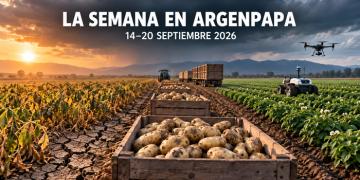
Potato farmers in Gran Canaria are delaying the planting of approximately 2.6 million kilos of potatoes at the start of the season due to waterlogged fields and mud, and the risk of further rain rotting the seeds. The most important harvest of the year is now dependent on the weather, with the nearly 30 million kilos expected to be harvested by the end of summer. This could also lead to market saturation as the harvest is concentrated. On the other hand, the agricultural sector will benefit from overflowing reservoirs and minimal rainfall.
The prolonged and abundant rains that have fallen since November this winter have filled ponds, swollen ravines, replenished overexploited aquifers, and flooded the countryside. While rainfall is a blessing for rural areas, such large amounts over a prolonged period also have their downsides. This is especially true when it falls on already saturated ground, as evidenced by the 94 liters per square meter that fell this past weekend in municipalities like Valleseco in just three days, 84 in Teror , and 77 in San Mateo , adding to the total accumulated over the last two months.
Family finances
Potato farmers have been forced to halt planting this summer due to waterlogged fields. This is causing the seeds to rot, which would be disastrous for their income, economic stability, and livelihoods.
The fields are anxiously awaiting the weather forecast for the most important season of the year, which can account for between 60 and 70% of the total annual production. Armando Rodríguez, a technician with the Island Council and a farmer himself, points out that very little has been planted so far. And what little has been planted is practically limited to some land in Telde and Guía , due to the particular soil conditions there, which retain less water. This is despite the fact that much of the island would normally be in the midst of its harvest by now. "Very little, if anything, has been planted. With all the accumulated water, even a few liters of rain will flood the land again."
The harvest could only begin between August and September due to the delay.
Potato farmers are waiting to be able to release approximately 2.6 million kilos of potatoes from storage for planting, which will allow them to harvest between 28 and 30 million kilos by the end of the season. Planting usually begins in January and continues until March (depending on the region and temperatures), with harvesting taking place from May until the end of July, as the potatoes generally remain in the ground for about four months before harvesting. However, given the current situation, harvesting may only begin between August and September.
"Now we have to wait for the soil to dry out before we can till it, as it’s already saturated with water," he adds.
700 hectares
The summer campaign is the most important of the year, and accounts for between 60 and 70% of the total, of its nearly 700 hectares dedicated to this crop.
The successive storms that followed Storm Claudia in November have drenched the island with abundant rainfall. This time, water will not be a problem, and prices will be at record lows, with seeds readily available for planting. However, this will force almost all farmers to plant with very little lead time, meaning the harvest will also be nearly simultaneous at the end of summer, which could drive down the selling price.
Gran Canaria produces about 62% of the potatoes it consumes
The island’s agricultural expert confirms that very few potatoes are being stored in caves this year, as has been done many times to avoid low prices, since the market is absorbing everything. Therefore, approximately one-third of the country’s potatoes harvested this winter remain to be sold.
Potatoes are essential to the local cuisine, and their cultivation has a significant impact on the islands’ kitchens, both at home and in restaurants. Gran Canaria produces approximately 62% of the potatoes it consumes, with the remainder being imported from producers such as the United Kingdom. Locally grown potatoes have three key advantages over imported potatoes: the quality of their volcanic soil and water, and the abundance of sunshine, which allows for cultivation almost year-round.
Fuente: laprovincia.es