
France: Potatoes have seen a decline in popularity among the French, sparking concerns about potential losses for farmers.
Potatoes, a fundamental part of our diets, are encountering challenges. Despite farmers cultivating them in significant amounts due to high demand, the pace of French consumption is now declining.
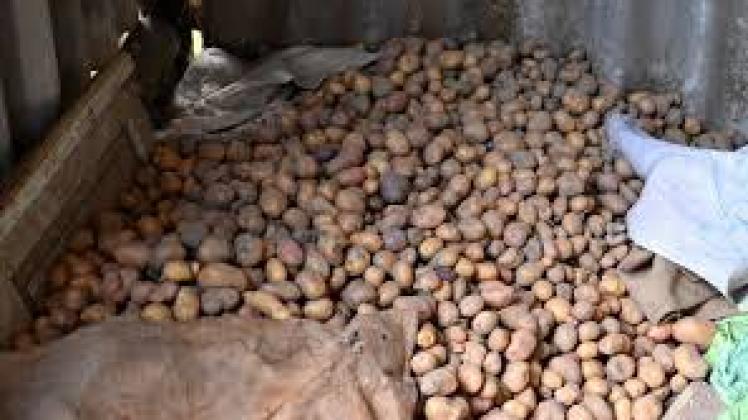
The potato business is facing challenging times. This year, more than ever, Benjamin Smee is closely monitoring his crop, primarily cultivated for the French fry industry. While he has managed to sell half of his 2025 summer harvest, the other half remains without buyers. Currently, he is focused on maintaining optimal storage conditions, ensuring the potatoes are sprout-free and of decent quality. However, as Smee points out, quality doesn’t matter much without buyers.
Processors are showing significantly less interest in purchasing potatoes this year, leaving Smee stuck with 600 tons of unsold produce. He’s holding out hope for a market rebound, though even that might require selling at a loss. "It’s heartbreaking," he shares, "seeing quality produce go to waste. Plus, we’re now facing cash flow issues." This downturn comes amid a period of expansion for his farm—over the past decade, he increased potato production to 40 hectares from 30 hectares. This decision was based on processors’ optimistic outlook on demand, leading him to take calculated risks and make significant investments.
In 2025 alone, 8.8 million tons of potatoes were harvested across the country due to both an increase in cultivation area and favorable weather—an uptick from 7.7 million tons harvested in 2024. Nationally, land allocated for potato farming grew by an impressive 10%, from 178,918 to 197,339 hectares within just a year. However, this robust production has overwhelmed the market; manufacturers of French fries, chips, and mashed potatoes are unable to cope with the surplus.
At the Mousline factory, tractors arrive daily to deliver around 100 tons of potatoes. Yet, despite this constant influx, production levels can’t rise further. According to Mousline’s CEO Philippe Fardel, the facility could run additional shifts over weekends, but their bottleneck lies in insufficient demand, not production capacity. In fact, the company has seen a 3% decline in sales over recent months, while production costs—like water taxes—have nearly doubled in two years. As a result, Mousline has already announced plans to purchase fewer potatoes next year and at reduced prices.
The resulting crisis has pushed farmers to make desperate moves—many have resorted to selling off their excess yields at minimal prices or even giving them away for free. Others are working on alternative solutions to mitigate losses. For instance, trader Antoine Marteau has been traveling across northern France to help farmers find buyers. He’s currently negotiating the export of one farmer’s potatoes to Spain. But the European market is also oversaturated, and competition is stiff. Quality remains a critical factor; in surplus situations, processors naturally opt for the best-looking batches.
If the Spanish deal doesn’t come through, some of these potatoes could end up as livestock feed. However, this option would provide farmers only 40 euros per ton—a far cry from the 140 euros per ton needed to avoid losses. "Losing an entire crop is devastating," says potato farmer Paul Blondel. "We don’t grow crops just to throw them away or feed them to animals."
Ironically, while producers struggle with falling market prices, shoppers aren’t seeing reductions at the grocery store yet. One consumer notes that potato prices have yet to change: "I don’t notice any difference. Even if prices drop, I wouldn’t buy more—I already eat enough." This delay is tied to pricing agreements between manufacturers and retailers, which are finalized a year in advance. That said, if current trends hold, consumers might see lower prices for potato-based products starting March 1st.
Fuente: franceinfo.fr


