Dominican Republic: New facilities dedicated to the production of virus-free potato seeds have been inaugurated in Constanza.
The initiative aims to strengthen the production system for high-quality planting material and reduce dependence on imports.
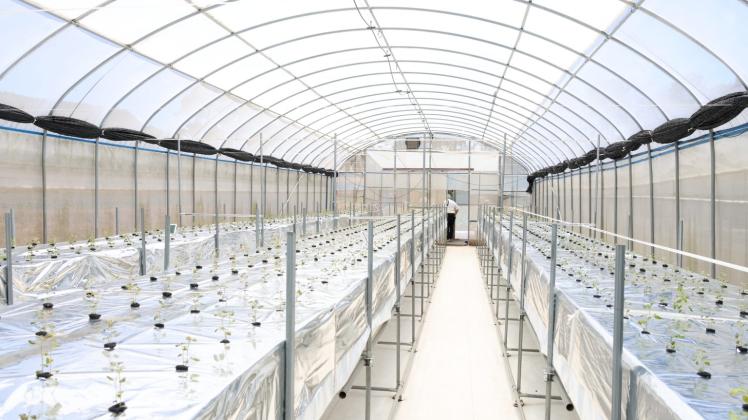
The Dominican Institute of Agricultural and Forestry Research (Idiaf) has inaugurated new facilities for potato tissue research and production at the Horticultural Experimental Station located in Constanza.
Executive Director Eladio Arnaud Santana emphasized that this project aims to improve the quality of potato production and increase the availability of virus-free seeds. He explained that many diseases affecting the crop are transmitted through seeds, so producing healthy material will help reduce losses and improve crop yields.
Arnaud Santana reported that, in recent years, the Dominican Republic has imported an average of 11,511 quintals of fresh or chilled potatoes and approximately 91,557 quintals of seed potatoes, representing an expenditure of nearly three million dollars. The new facilities are equipped with tissue culture laboratories and hydroponic systems to produce healthy plants.
Given this scenario, the goal is to reduce seed imports to meet domestic demand through local production while increasing commercial production of the tuber to cover internal consumption. He clarified that this project does not intend to interfere with the marketing of the crop, but rather seeks to ensure that the money spent on imports remains in the country.
Constanza accounts for the majority of the country’s potato production. Therefore, improving seed production in this area will directly impact the supply of the crop. Technicians and specialists participated in the inauguration of these modern facilities designed for the production of high-quality seeds.
This project is supported by South Korea through its Rural Development Administration (RDA) and the Kopia program. The collaboration has included agricultural research, technology transfer, technical training, and the strengthening of specialized infrastructure for seed production.
Among the achievements presented, the development of a virus-free potato seed production system, the multiplication of high-quality material, and the incorporation of technologies adapted to the country’s agroecological conditions stand out. The facilities include specific areas for tissue culture and hydroponic systems, essential for generating healthy plants that serve as the basis for obtaining certified seed.
Fuente: eldinero.com.do