Peru: Pests could affect potato crops in certain regions until October.
Medium to high risk conditions could be linked to an increase in water demand.
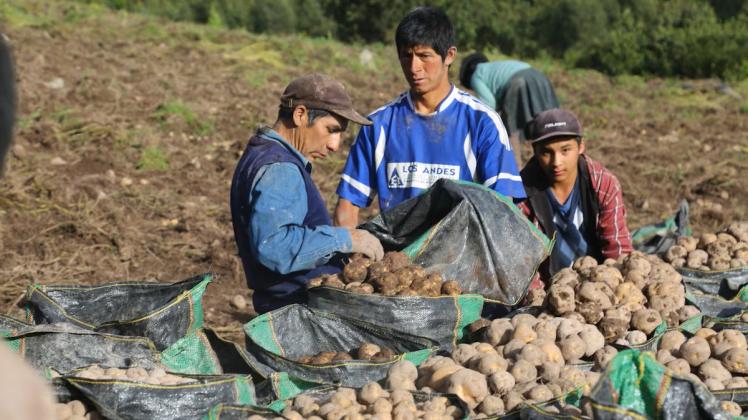
The potato, one of Peru’s most important agricultural products, second only to rice, faces certain climate risks. According to the National Meteorology and Hydrology Service (Senamhi), variable rainfall and temperature conditions—normal, below average, and above average—are anticipated, which could impact crops in some regions between August and October of this year.
In the central and southern coast, Senamhi indicates that the agroclimatic risk for this tuber is moderate to low, especially in certain valleys of the central coast.
In these areas, where the crop is mainly managed with irrigation, the timely availability of water will be crucial to ensure adequate growth and development of the tubers.
Medium and high level risks could be linked to increased water demand and thermal conditions that, depending on the stage of crop development, can affect tuber formation and filling.
This situation has prompted Senamhi to recommend appropriate irrigation management to prevent water stress, which could reduce the size of the tubers and harm their commercial quality.
In addition, the warm and relatively dry conditions in some areas could favor the appearance of pests such as prodiplosis, the potato tuber moth, the leafminer fly, and soil worms.
Given this risk of pests, it is suggested that producers carry out constant phytosanitary monitoring and adjust the frequency of irrigation according to the stage of the crop.
Risks in the mountains
For the northern highlands, Senamhi predicts a low risk during this month, given that many potato plots will be in agricultural rest or in preparation for the new season.
Between September and October, a gradual increase in planting is expected in areas with sufficient soil moisture. In these cases, insufficient water availability could delay crop growth and affect its uniformity.
Therefore, it is crucial to plant when the soil has optimal moisture conditions and avoid planting too early without sufficient water. In already cultivated plots, it is important to remain vigilant for pests that could impact the early stages of development.
Forecast for the central highlands
With the gradual start of large-scale planting in the central highlands towards September and October, the crop’s dependence on soil moisture will be greater.
Insufficient moisture during planting and emergence can delay germination and cause irregularities in the plants. Furthermore, the low temperatures that may still occur in the high Andean regions pose a risk to new plantings.
It is important to remember that the National Study of the El Niño Phenomenon (Enfen) has projected that the Coastal El Niño will persist until April 2027 and is likely to maintain a strong intensity, although it is not ruled out that it will reach an extraordinary level towards the end of 2026.
Fuente: gestion.pe