
Colombia (Cundinamarca): Scientists extend the shelf life of the native potato with an innovative genetic cross
The native potato, one of Colombia’s agricultural treasures, faces a key challenge: its rapid sprouting. When a tuber begins to grow a new root too soon, its flavor, size, and color deteriorate.
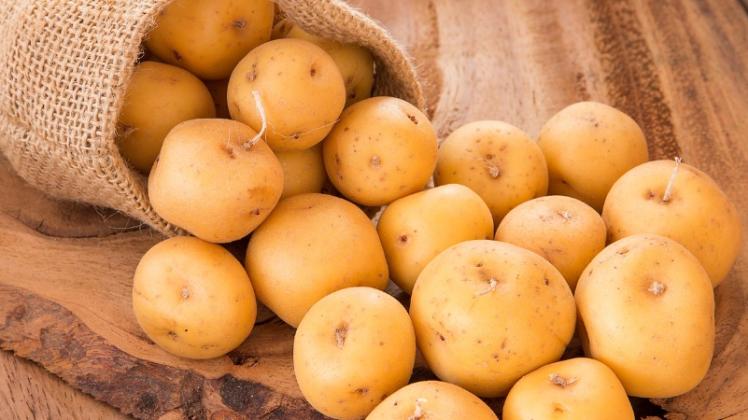
This situation forces producers to discard it and generates significant losses.
According to agronomist Luisa Fernanda Castro Morales, Master of Science in Agriculture from the National University of Colombia (UNAL), “the short resting period of the criolla potato forces it to be planted and sold faster, unlike other varieties such as the sabanera or the pastusa that can be stored for up to four months without being damaged.”
See moreCentral Market QuotationQualifying teamsPotato market newsSafety bootstableStorage systemsPlanting machineryInternational quotationsPotatoWholesale marketThis accelerated behavior motivated the researcher to turn to genetics to find a lasting solution.
The secret lay in a 7,000-year-old Peruvian family
Castro identified a unique ability in Peruvian varieties of the Stenotomum group—one of the oldest families domesticated in Lake Titicaca: these potatoes can remain dormant for four to five months without sprouting. Their elongated shape and intense colors made them ideal candidates for crossbreeding with the Colombian native potato.
Although farmers try to delay sprouting by cutting the tubers, this causes physiological damage and leads to even more sprouting. That’s why a genetic approach was essential.
In Colombia, potatoes are key. According to the National Potato Development Fund, more than 2 million tons were produced in 2022, of which 12.24% corresponded to native potato varieties.
Cundinamarca: center of the genetic experiment
The project was developed at the ICA San Jorge Farm, in Soacha (Cundinamarca), at 2,850 meters above sea level, an ideal climatic environment to measure the behavior of each cross.
Three Colombian varieties—Criolla Colombia, Paola, and Paysandú—and three from the Peruvian group were selected. Through manual pollen transfers, similar to the work of a bee, 15 genetic combinations were obtained, each sown and analyzed separately.
The results were conclusive:
- 30% more yield than the original varieties.
- Up to 48 days without sprouting, more than double the usual time.
This improves the appearance, prevents dehydration, and allows for wider marketing.
“Tubers without this cross-pollination shrivel and lose quality for the consumer,” the researcher explained.
They are not genetically modified: it is controlled natural reproduction
The crossbreeding does not involve DNA from other species. It is a natural process designed to enhance desirable traits. The goal: a more resilient, profitable, and marketable native potato variety.
Fuente: portalnews.co


