
Chile: Potato overproduction and rising input costs affect the production sector
Consorcio Papa Chile points out that the increase in costs, coupled with the lack of strategies to manage the production surplus, is mainly affecting small-scale producers.
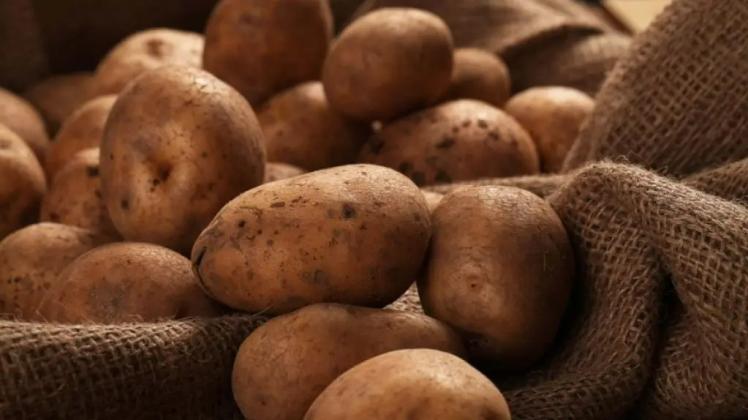
The Ministry of Agriculture and Livestock (MAG), with the technical support of the International Regional Organization for Agricultural Health (OIRSA), has launched a pilot plan of the National Voluntary Agricultural Traceability System, initially focused on potato and onion crops.
The potato sector is currently facing a landscape marked by several contradictions. What would be considered an advantage for other agricultural crops, such as an optimal climate and abundant water, has become a problem for potato producers. Luis Miquel, general manager of the Papa Chile Consortium, refers to this situation as "the potato paradox." In an interview, the industry representative analyzed the factors that are keeping this important agri-food chain on alert, highlighting the vulnerability of farmers to a saturated domestic market and ever-increasing production costs.
The key to this paradox lies in the extreme fluctuations in yield. According to Miquel, under the best climatic conditions and with abundant water, productivity per hectare can increase from 35 to 50 tons. However, this increase is not absorbed by the domestic market, given that annual consumption in Chile is between 750,000 and 800,000 tons, while production reaches up to 1.4 million tons.
This oversupply causes a drastic drop in prices. "When farmers achieve high yields, prices tend to plummet; and when prices are favorable, few producers manage to profit," explains Miquel. This cycle becomes unsustainable, with surpluses causing the product to depreciate and exposing farmers to the risk of bankruptcy due to the lack of mechanisms to regulate or process the excess.
Added to this is the continuous increase in production costs. Since the end of the pandemic, the expenses required to cultivate one hectare have risen significantly. While four years ago the cost was around 6 to 7 million pesos per hectare, today it exceeds 12 or 13 million. Furthermore, additional expenses such as irrigation and the purchase of certified seeds further increase the necessary investment.
Although the recent decrease in the exchange rate has slightly reduced the cost of inputs such as fertilizers and fungicides, Miquel points out that these prices never return to their initial level. This financial outlook accentuates the risks for farmers who invest hoping for high prices that often fail to materialize, creating serious economic problems for these families.
Meanwhile, financial institutions have tightened their policies, further complicating access to credit. Miquel illustrates this relationship with a metaphor: "Banks offer you an umbrella when you don’t need it and take it away just when it starts to rain." Currently, banks are more cautious, meticulously evaluating cash flows, reducing credit lines, and increasing requirements.
This difficulty in accessing financing directly affects crop quality: faced with the need to reduce costs, many farmers opt for uncertified seeds and decrease their investment in fertilizers and fungicides. These cost-saving measures impact future yield and product quality, Miquel warns. Consequently, a market adjustment could occur in the coming years due to the reduced use of improved genetic material.
To address this complex situation, Miquel proposes a structural change through the industrialization of the sector. In his opinion, the development of a processing industry (for frozen potatoes or related products) is fundamental to stabilizing the market. However, this progress is limited by economic and political factors that discourage industrial investment. According to the general manager, investing in real estate is currently more attractive than investing in agribusiness projects due to its lower risk.
Miquel urges the authorities to promote incentives that facilitate this structural transformation without resorting to temporary subsidies. Establishing a stable framework for industrial investment would allow Chile to move beyond being a mere exporter of raw materials and add value to its potato production, thereby stabilizing domestic prices and providing a steady supply for farmers.
Fuente: latribuna.cl


