Colombia: Two varieties of Colombian potatoes are among the best in the world
These tubers stood out for their texture, nutritional value, and versatility within Colombian cuisine.
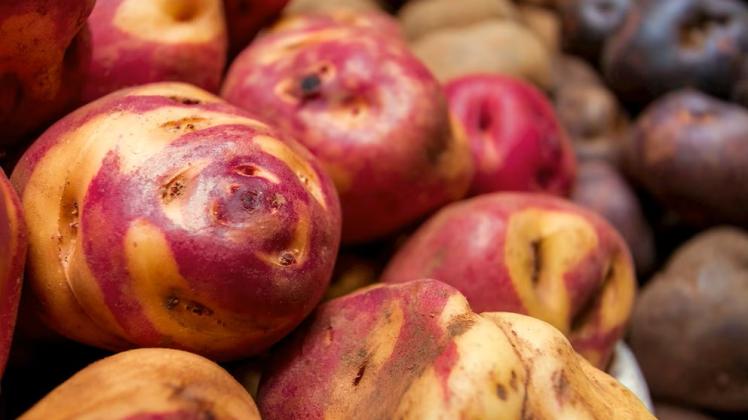
The international recognition of Colombian potato varieties has been confirmed by the most recent edition of the Taste Atlas gastronomic guide, which included two tubers from the country among the best in the world.
In the list of the “57 Best Potatoes in the World”, which is published annually, the Colombian participation has stood out among the options evaluated by cooking enthusiasts and industry experts.
For this edition, 868 reviews were collected up to January 28, 2026, of which 486 were considered valid. This mechanism aims to guarantee genuine and representative results from the gastronomic community.
In first place, the Yukon Gold potato took the highest rating , achieving a score of 4.3. This variety, developed in Canada during the second half of the 20th century, is recognized for its yellow skin and flesh, its firm and moist texture, and its versatility in the kitchen.
Launched in 1980, the Yukon Gold is the result of crossing white North American potatoes with yellow South American varieties, giving it a unique profile in both flavor and texture.
Second place went to the Kato Nevrokopiou potato, grown in several locations across Greece . With a rating of 4.2, this tuber has been a staple of the region’s agriculture since the 1920s. Its quality has remained consistent over the years, solidifying its place in the local diet and consumer preferences.
Also from Greece is the Naxou potato, which ranks third on the list with a 4.2 rating. This variety is grown on the island of Naxos and is distinguished by its smooth, yellow skin, a starch content exceeding 18%, and a very low sugar level. Naxou potatoes are harvested by hand twice a year, reinforcing their artisanal character and reputation for quality.
Colombia appears in the ranking with the criolla potato , which occupies the fourth position and boasts a score of 4.2.
This potato, originally from South America and especially appreciated in Colombia, is characterized by its small size and its intense yellow flesh.
The Creole potato grows wild in the high Andes Mountains and has a thin, delicate skin. In Ecuadorian cuisine, it’s essential in dishes like ajiaco, but it’s also used roasted, fried, boiled, mashed, or grilled on kebabs. The high lutein and zeaxanthin content of this variety makes it a nutritious and flavorful choice.
See moreProduction InformationSpecialized agricultural machineryPotatoAnother Colombian representative on the list is the Pastusa potato, ranked 16th with a rating of 4.
This variety has a smooth, unblemished yellow skin, and its flesh is also yellow, soft, and starchy. The creamy texture of the Pastusa potato makes it ideal for traditional soups like ajiaco, as well as for preparing French fries and mashed potatoes. Its cultivation extends throughout the country’s main potato-growing regions, solidifying its presence in local cuisine.
Despite not having a rating, the Sabanera potato appears in the top - credit Taste AtlasThe top 20 list is rounded out by the French Alevín, which received a score of 3.6. However, Colombia adds another variety to the ranking: the Sabanera potato, which occupies 30th place.
Although this last one did not receive a numerical rating, it was highlighted for its purple skin, its larger size than other varieties and its firmer texture, which makes it especially suitable for french fries, as it absorbs less fat and they turn out crispier.
The Sabanera potato is also an essential ingredient in ajiaco and is used as a side dish in roasts . It is steamed and seasoned with salt, preserving its characteristic flavor and texture.
The inclusion of these Colombian varieties in the Taste Atlas list reaffirms the importance of Andean tubers in global gastronomy and highlights Colombia’s rich agricultural and culinary heritage. With each edition, the guide continues to showcase traditional foods that are part of the cultural heritage of their countries of origin.
Fuente: www.argenpapa.com.ar/noticia/16997-