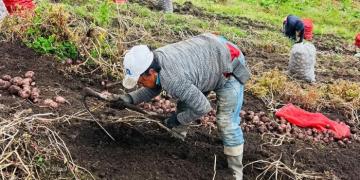
Spain (Seville): "If this potato season isn’t good, we’ll disappear."
Producers warn of a drastic reduction in cultivated area, the loss of the European market, and the inclination of some sectors to opt for stored French potatoes.
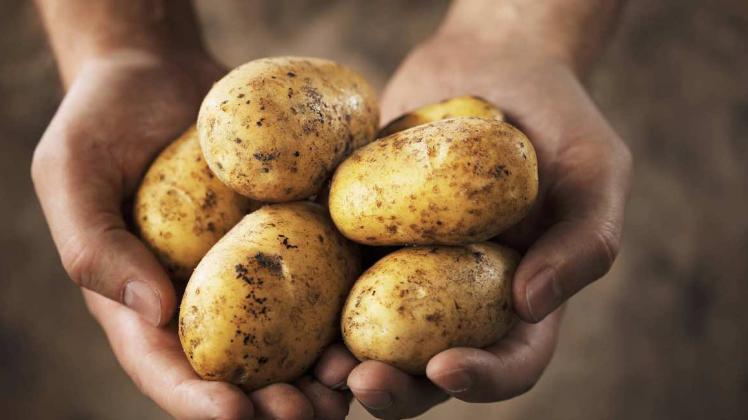
The potato sector in Spain, with the province of Seville as one of its main production centers, has experienced an alarming decline in cultivated area in recent years. From 250,000 hectares planted in the 1990s, the official figure from the Ministry of Agriculture barely reaches 60,000 hectares. However, the sector itself states that the real figure is even lower, around 40,000 hectares. This represents a reduction of up to 25% in the area dedicated to this crop for the current season. This was explained by Javier Boceta, director of Meijer Ibérica, at the Potato Congress held in La Rinconada, an event that brought together numerous representatives from the agricultural sector.
The origin of this crisis is rooted in economics. At the start of the season, industry-proposed contracts included prices so low that farmers could not afford them, leading to a massive abandonment of land intended for planting. In this context, Boceta warned that in a few months it will become clear whether the French potatoes stored for extended periods will be sufficient to meet demand or if companies will be forced to halt their industrial production. While the supply for fresh consumption is assured, the supply for industrial use is uncertain and in a critical situation.
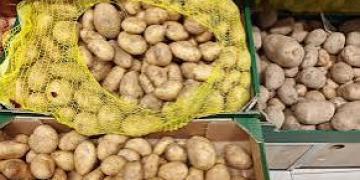
One of the main problems facing the sector is its difficulty in connecting effectively with central markets, industry, and the Horeca channel. Boceta pointed out that, although supermarkets have begun to value domestic produce more, many central markets and traditional greengrocers continue to sell stored French potatoes year-round. This practice negatively impacts Spanish farmers, especially new potato producers.
Another major concern is the decline in exports. Just 15 years ago, Germany was a crucial market for Andalusian producers; however, that privileged position in Europe has been lost. Egypt has emerged as the main supplier to the European market, with a 57% share of potato sales within the European Union (EU). Furthermore, Italian ports, with their more relaxed controls, have become a key entry point for Egyptian potatoes into the continent. Boceta expressed his discontent with this situation, lamenting that the EU itself prioritizes imports from external countries over the production of its own members. This phenomenon, along with Northern Europe’s capacity to store potatoes for months in cold storage, has displaced Seville potatoes from their traditional markets.
Nationally, competition from stored French potatoes remains a recurring problem. Last June, for example, the market was comprised of 70% new potatoes and 30% old French potatoes. This overlap puts pressure on prices and directly impacts local farmers. Boceta urged measures to curb the influx of foreign old potatoes during May, noting that over 110,000 tons of imported potatoes entered Spain in September 2024 alone. In contrast, imports from Israel are viewed more favorably by the sector due to their usefulness as a temporary bridge between harvests.
Given this complex situation, the future of the potato sector in Spain is at stake. Its survival will depend on achieving adequate profitability this season. Otherwise, as Boceta warned, it will be extremely difficult for farmers to recover from this historic drop in cultivated area, even jeopardizing the sector’s continued existence.
Fuente: ABC de Sevilla