
Colombia: Potato Day, These are the departments that lead the production of this crop in the country
With more than 266,000 jobs created, the academy studies the economic impact on the producing regions and the benefits associated with its consumption.
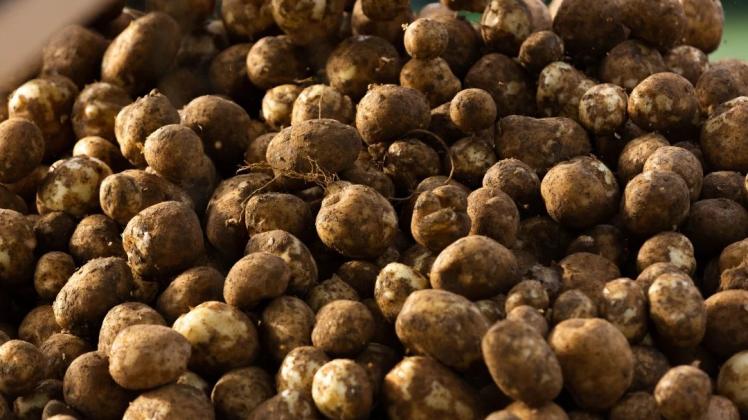
On International Potato Day, celebrated every May 30th, this versatile tuber is solidified as the second most important food in the country, second only to rice. Besides being an essential component of the daily diet, it has proven to be a significant economic driver, generating more than 266,000 jobs by the second half of 2025 and providing a livelihood for more than 100,000 farming families.
Cundinamarca leads the sector with 37% of the national area dedicated to potato cultivation, reaching an annual production of nearly one million tons. This outstanding performance is attributed to its above-average productivity and the large-scale cultivation of varieties such as Superior and Diacol Capiro, the latter being key for the food industry located in the Bogotá Savannah.
At the local level, Villapinzón stands out as the leading potato-producing municipality at both the departmental and national levels, with over 4,000 hectares under cultivation. Esteban Villamil Galindo, director of the Food Engineering Program at Uniagraria, emphasizes the importance of potatoes in the diet. According to him, potatoes are a significant source of potassium, an essential mineral that helps regulate sodium in the body, relaxes blood vessel walls, and contributes to blood pressure control.
Boyacá ranks second in importance within the national agricultural sector, contributing 28% of Colombia’s potato production and planted area. The region is characterized by small-scale family farming, concentrating the largest number of producers in the country. The predominant varieties in this department are ICA-Única and Superior, and the leading producing municipalities are Ventaquemada and Toca. The economic impact of potato cultivation is significant, as agriculture represented 14.5% of the department’s GDP in 2023, solidifying Boyacá’s position as a key player in the national food supply.
This productive diversity fosters a rich culinary culture, as highlighted by Sandra Patricia Pérez Torres, a Gastronomy professor at Uniagustiniana. According to Pérez Torres, the potato is not only an affordable food, but also a fundamental ingredient in traditional and innovative dishes that preserve its nutritional properties.
Nariño ranks third in production, its privileged location in the Andes Mountains allowing it to cultivate potatoes on approximately 23,000 hectares. With nearly 30 municipalities dedicated to this activity, including Ipiales, Pupiales, Túquerres, and Pasto, Nariño stands out both for its number of producers and for the use and preservation of ancestral agricultural techniques in its higher altitude areas.
Native potatoes with colored flesh—in shades of purple and red—grown in these Andean regions are especially valued for their nutritional composition. According to Villamil, these varieties are rich in anthocyanins and polyphenols with antioxidant properties and beneficial effects on cardiovascular health, confirming their role as true functional foods.
Fuente: agronegocios.co


