
Spain: The Ourense Campus has managed to reduce the use of fungicides in potato cultivation by up to 50%.
A research project carried out on farms in the A Limia region has shown that it is possible to maintain production using almost half of the usual chemical treatments.
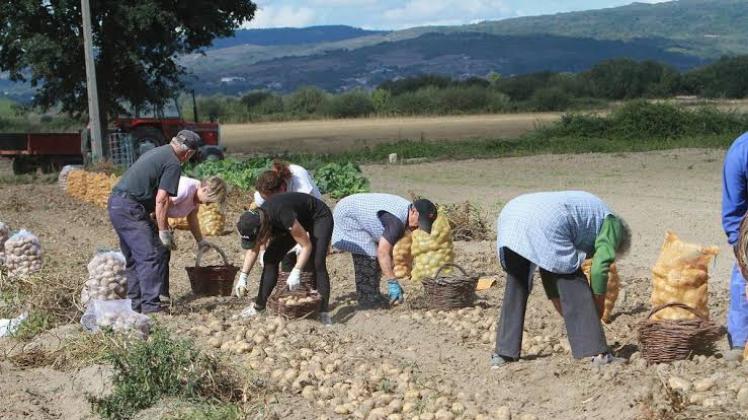
The trials were conducted in the main production areas of Galicia, especially in A Limia and Bergantiños, testing the prediction models under real growing conditions. The validation carried out in these fields showed that it was possible to reduce fungicide use without negatively impacting production or profitability.
The University of Vigo’s participation was coordinated through the Agro-environmental Systems Research Group (GISA) and the Computer Engineering Group, both based on the Ourense campus. GISA was responsible for the experimental design, scientific monitoring, epidemiological characterization of downy mildew and alternaria, as well as the development and validation of predictive models. Meanwhile, the Computer Engineering Group worked on a mobile application that would allow farmers to consult, in real time, the risk of disease outbreaks and decide whether intervention was necessary.
According to Laura Meno, the researcher who led the University of Vigo’s participation in XIPrisco, the application will allow for the prediction of diseases directly in the field, avoiding treatments applied solely as a precaution. These models managed to reduce fungicide treatments by between 40% and 50% without significant yield losses.
In addition, the project has generated technical data sheets adapted to local conditions with recommendations for managing the most common crop diseases, making it easier for the acquired knowledge to reach farmers directly.
A key element highlighted by those in charge of the project is the active involvement of the agricultural sector. Farmers from A Limia and Bergantiños voluntarily participated in the trials, transforming their plots into "living laboratories" where the developed tools were validated. This collaboration between universities, technicians, government agencies, and producers made it possible to transform the scientific results into immediately applicable solutions.
In addition to the Ourense campus, entities such as the Regulatory Council of the Galician Potato PGI, the Inorde Livestock and Agricultural Center, and the Lagoa de Antela Irrigation Community participated, along with farmers and producers from Bergantiños and A Limia. The project’s results come at a critical time for the sector, as European sustainability strategies promote a 50% reduction in the use of plant protection products by 2030. Farmers also face climate change, which severely affects areas like A Limia, where intense rainfall and heat waves increase the challenges of maintaining production.
These challenges are compounded by the emergence of new diseases favored by changing climatic conditions, according to those responsible for the XIPrisco project.
Fuente: farodevigo.es


